
Rudder & aft ship design optimization using CFD
A well optimized aft ship and rudder design can have a significant impact on vessel performance. Using Computational Fluid Dynamics (CFD), Marimecs analyses the interaction between the hull, propeller and rudder to identify opportunities to improve efficiency, steering behaviour and hydrodynamic performance.
This approach can be applied to both new designs and existing vessels where modifications can reduce resistance, cavitation and fuel consumption.
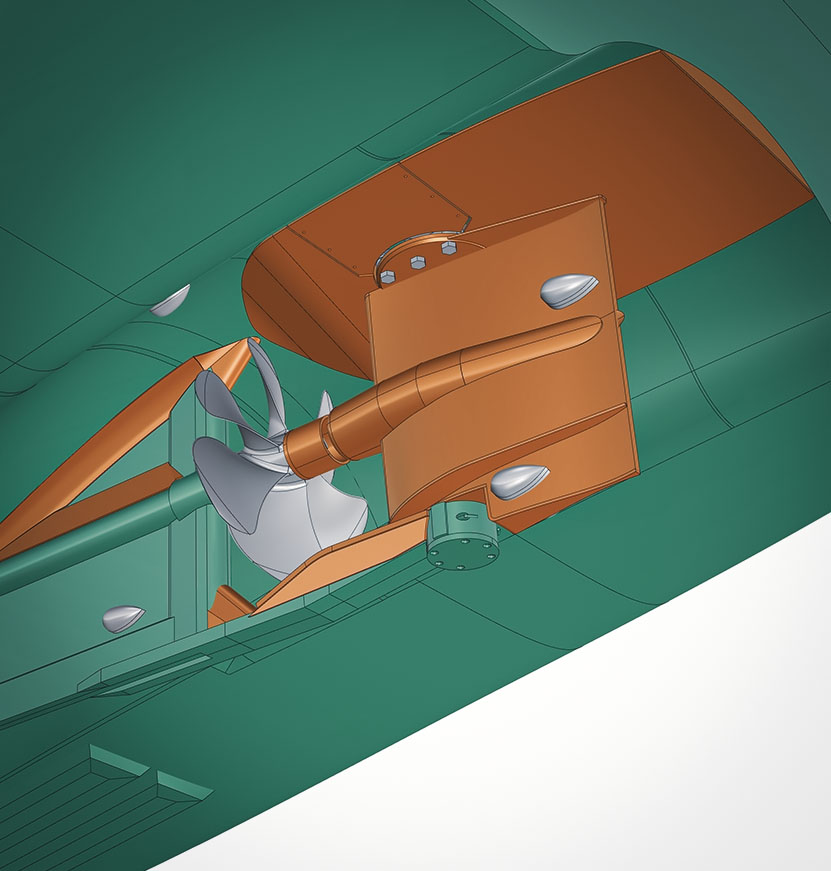
Improving performance below the waterline
The flow around the aft ship is influenced by the hull shape, propeller and rudder. These components interact continuously and therefore cannot always be optimized individually.
Marimecs uses CFD simulations to gain insight into these interactions. By visualising flow patterns, pressure distribution and hydrodynamic forces, we can identify where improvements can be made.
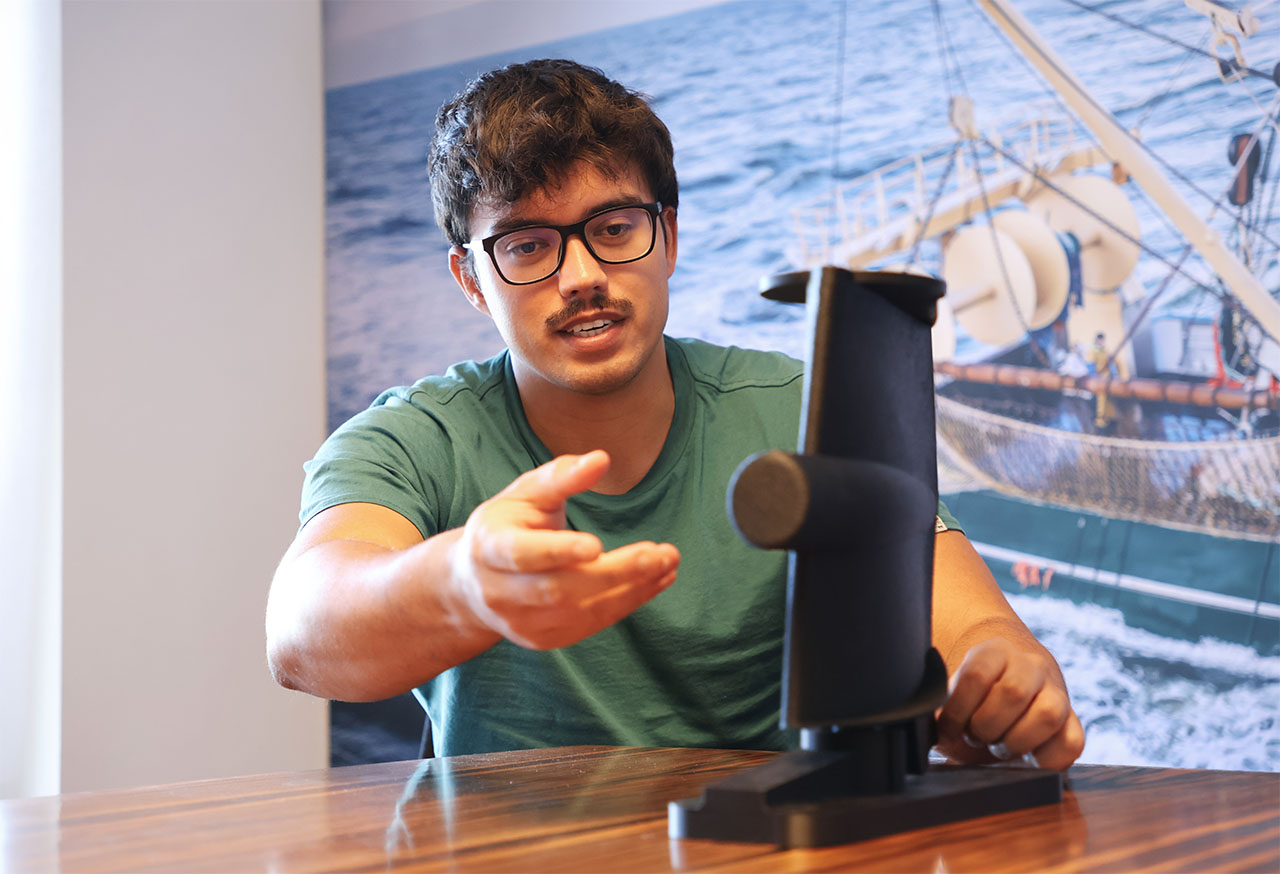
Rudder optimization
Using CFD, different rudder configurations can be analysed and compared before modifications are made. Depending on the vessel and the results of the analysis, optimization can include changes to the rudder profile, geometry, position or alignment with the propeller flow.
The objective is a rudder design that works effectively within the complete aft ship configuration.
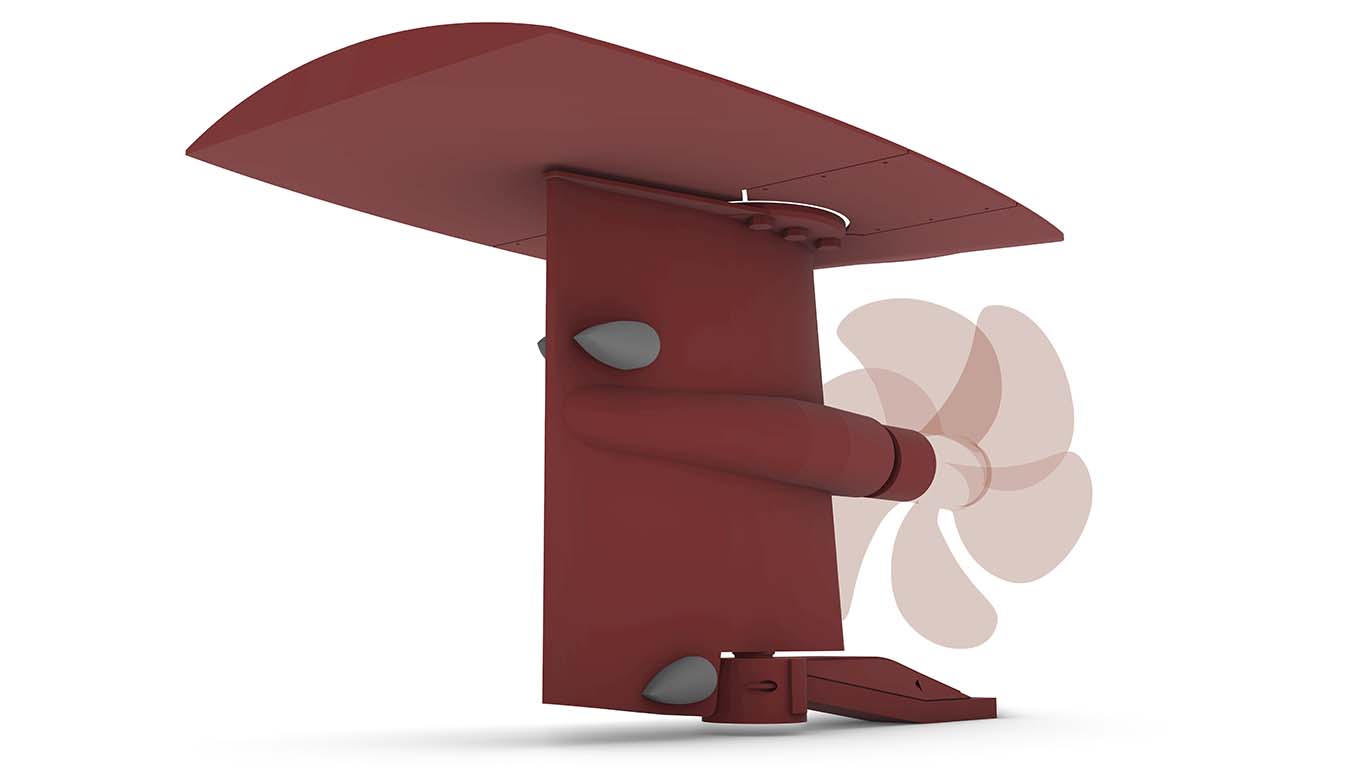
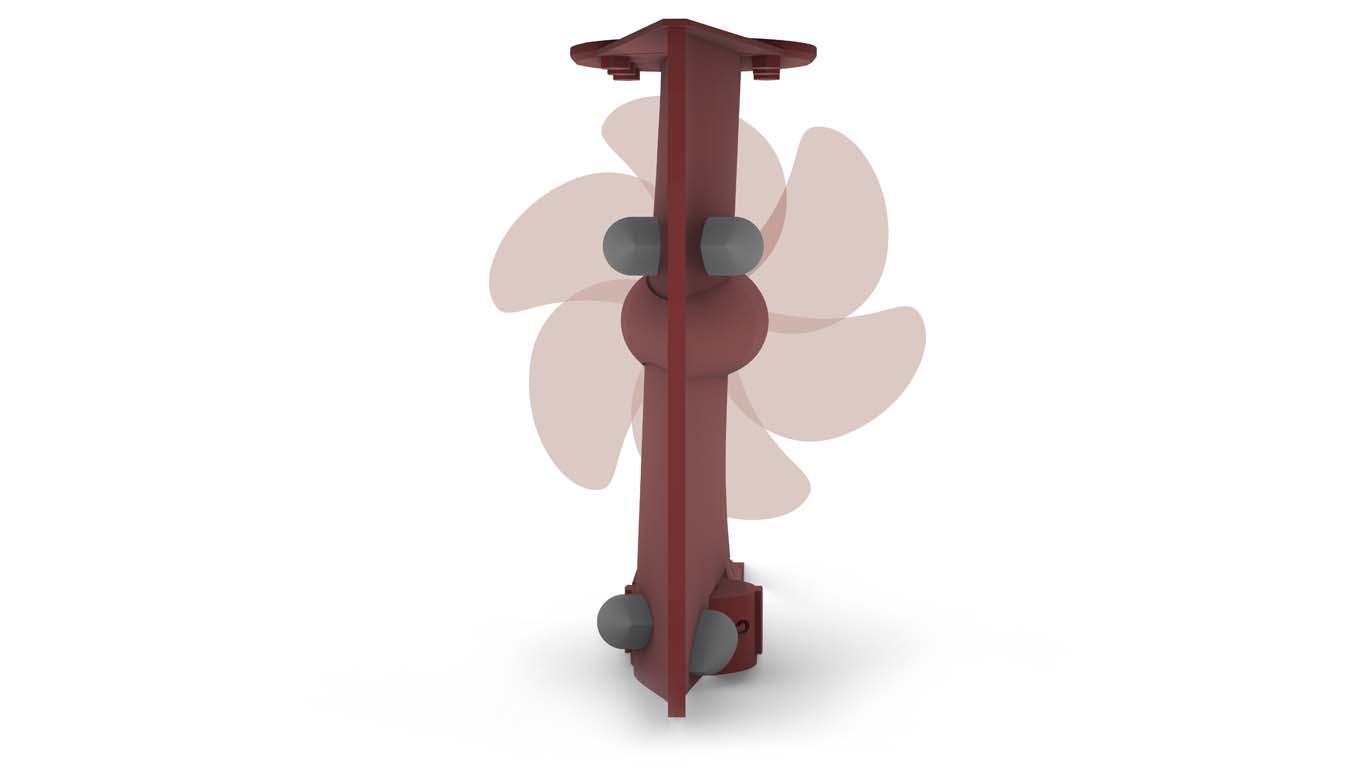
Aft ship optimization
For this reason, Marimecs can extend the analysis beyond the rudder itself and investigate the complete flow around the stern.
Hull geometry, appendages, the propeller arrangement and the transition towards the rudder can all be included in the CFD model. This makes it possible to identify hydrodynamic losses and evaluate different design modifications.

Optimization of existing vessels

CFD based optimization is not limited to newbuild projects. Existing vessels can also benefit from an analysis of their current aft ship and rudder configuration.
This allows improvements to be considered without redesigning the complete vessel.

From CFD analysis to engineering
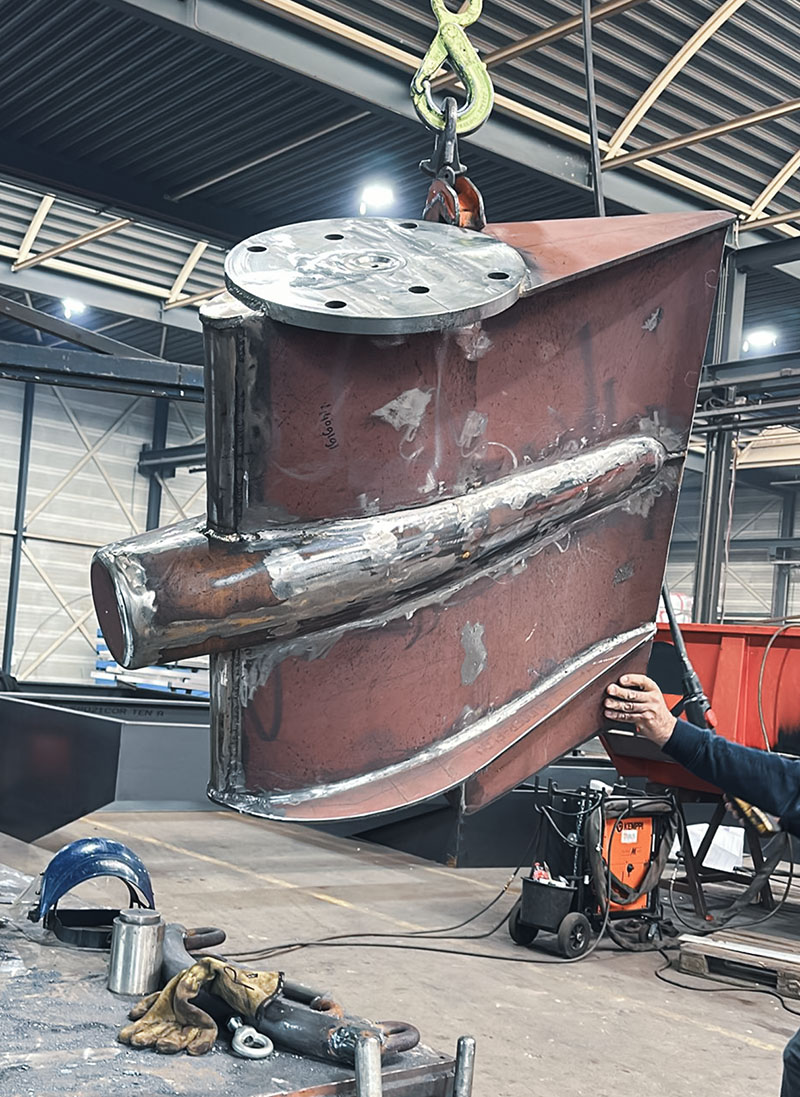
Reduced resistance
Lower fuel consumption
Improved propulsion efficiency
Reduced cavitation
Improved steering behaviour
Reduced vibration
Improved vessel performance
Better interaction between hull, propeller and rudder
Possible design modifications
Asymmetrical rudder design

Optimized rudder profile
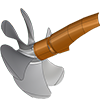
Propeller hub extension and rudder bulb
Ready to optimize your fleet?
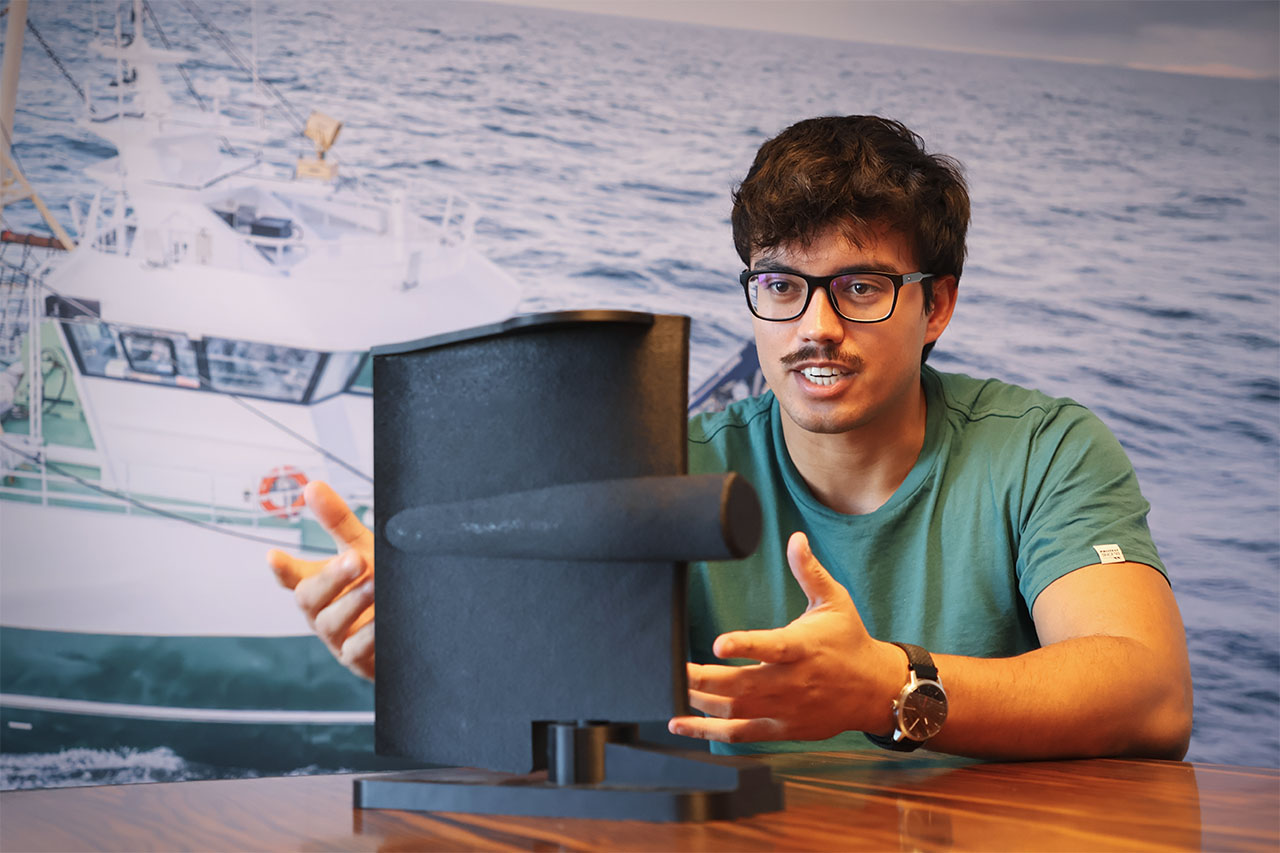
If you’re seeking a partner who combines simulation tools with deep hydrodynamic expertise, contact Marimecs. Let’s explore how we can elevate your vessel’s performance through innovative design and optimization.
Visit
Homepage
About us
Design
Engineering
Projects
Contact
News
Job opportunities
Vacancies
Services
CFD
Naval Architecture
On-Site
Conversions and refits
Construction
Outfitting
Ship systems
Interior & exterior drawings
Rudder optimization

Marimecs is part of the Marimecs Group, which consists of independent brands, each operating in its own field for shipyards, owners and suppliers.
